Why Does Your New Car Still Need Regular Maintenance?
August 31, 2026
A new car can feel like it should be maintenance-free for a long time. Everything is fresh, there are no strange noises, and the odometer is still low. That is exactly why it is easy to put off service.
The problem is that maintenance is what keeps those new parts from wearing out early. Engine oil still ages, tires still lose pressure, brakes still wear, and fluids still deal with heat and contamination. A newer vehicle has fewer age-related problems, but it still needs attention from the beginning.
Oil Changes Matter From the First Service
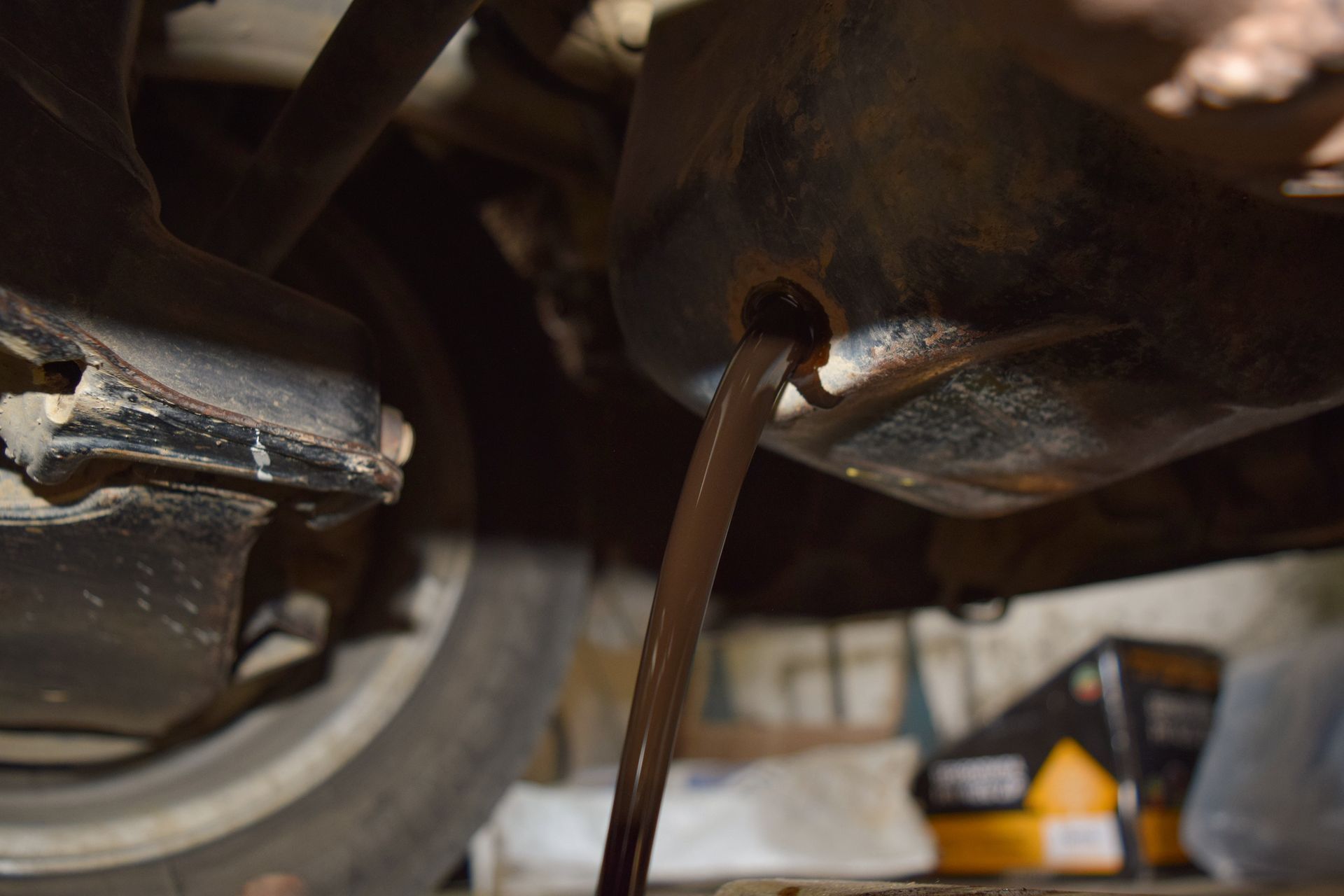
Modern engines are built with tight internal clearances and often depend on very specific oil viscosity and performance standards. Turbocharged engines and variable valve timing systems make correct oil even more important.
At our shop, we do not treat the first few oil changes as throwaway services. Using the correct oil and changing it on schedule helps control deposits, protects bearings and timing components, and gives us a chance to check for leaks or unusual oil consumption while the engine is still relatively new.
Tire Maintenance Starts Earlier Than Most Drivers Expect
New tires can begin wearing unevenly long before they look worn out. Pressure changes with weather, and even a small alignment issue can start wearing down one shoulder.
Rotation, pressure checks, and tread inspection help the set wear more evenly. If the steering wheel starts sitting off-center or the car pulls after a pothole hit, an alignment check makes more sense than waiting until the tires are visibly damaged. Early tire care protects a set that is expensive to replace.
Brake Parts Still Wear on a New Vehicle
Brake pads are wear items no matter how new the car is. City traffic, hills, heavy loads, and driving style can shorten their life considerably.
We also look at rotor condition, caliper movement, and brake fluid. A newer vehicle can still develop a sticking caliper or uneven pad wear. Catching that during an inspection keeps a small brake issue from ruining a rotor or overheating another part of the system.
Fluids Do More Than Sit in the Vehicle
Coolant, brake fluid, transmission fluid, differential fluid, and other lubricants all have specific jobs. They carry heat, prevent corrosion, lubricate moving parts, and in some systems provide hydraulic pressure.
Some fluids have long service intervals, but long does not mean permanent. The correct schedule depends on the vehicle and how it is driven. Towing, repeated short trips, stop-and-go traffic, and high temperatures can all put more stress on fluids than easy highway use.
Filters Protect More Than Air Quality
Engine and cabin air filters are easy to forget because a dirty filter does not always trigger a warning light. The engine air filter protects the intake from dirt and debris, while the cabin filter keeps dust and contaminants out of the HVAC system.
Replace a filter based on condition and service intervals, not automatically at every visit. We check them because driving on dusty roads or around construction can load them up much faster than expected. A restricted cabin filter can also reduce airflow through the vents and make the blower work harder.
Maintenance Helps Protect Warranty and Resale Value
Keeping service records matters on a newer vehicle. If a warranty issue comes up later, having documented maintenance makes it easier to show that the car was cared for properly.
Those same records help when it is time to sell or trade the vehicle. A buyer can see that oil changes, fluids, brakes, and other services were handled consistently instead of wondering whether maintenance was skipped. Regular maintenance does not only protect the mechanical parts. It also protects the car's history.
Small Problems Are Easier to Catch on a New Car
New cars are not immune to defects, road damage, leaks, or electrical problems. A loose connection, small coolant seep, damaged tire, or weak battery can still show up early in ownership.
The advantage is that these problems are easier to recognize when the rest of the vehicle is in good condition. If we know how the car normally looks and drives, a new leak, noise, or wear pattern stands out quickly. That gives us a chance to correct it before it becomes part of a larger repair.
Get New Car Maintenance In Scranton, PA, With Scranton Auto Service
If your newer vehicle is approaching its first few service intervals, Scranton Auto Service in Scranton, PA, can handle oil changes, fluid checks, tire service, brake inspections, filters, and other maintenance based on the vehicle's actual requirements.