Why Modern Engines Need Synthetic Oil
October 30, 2026
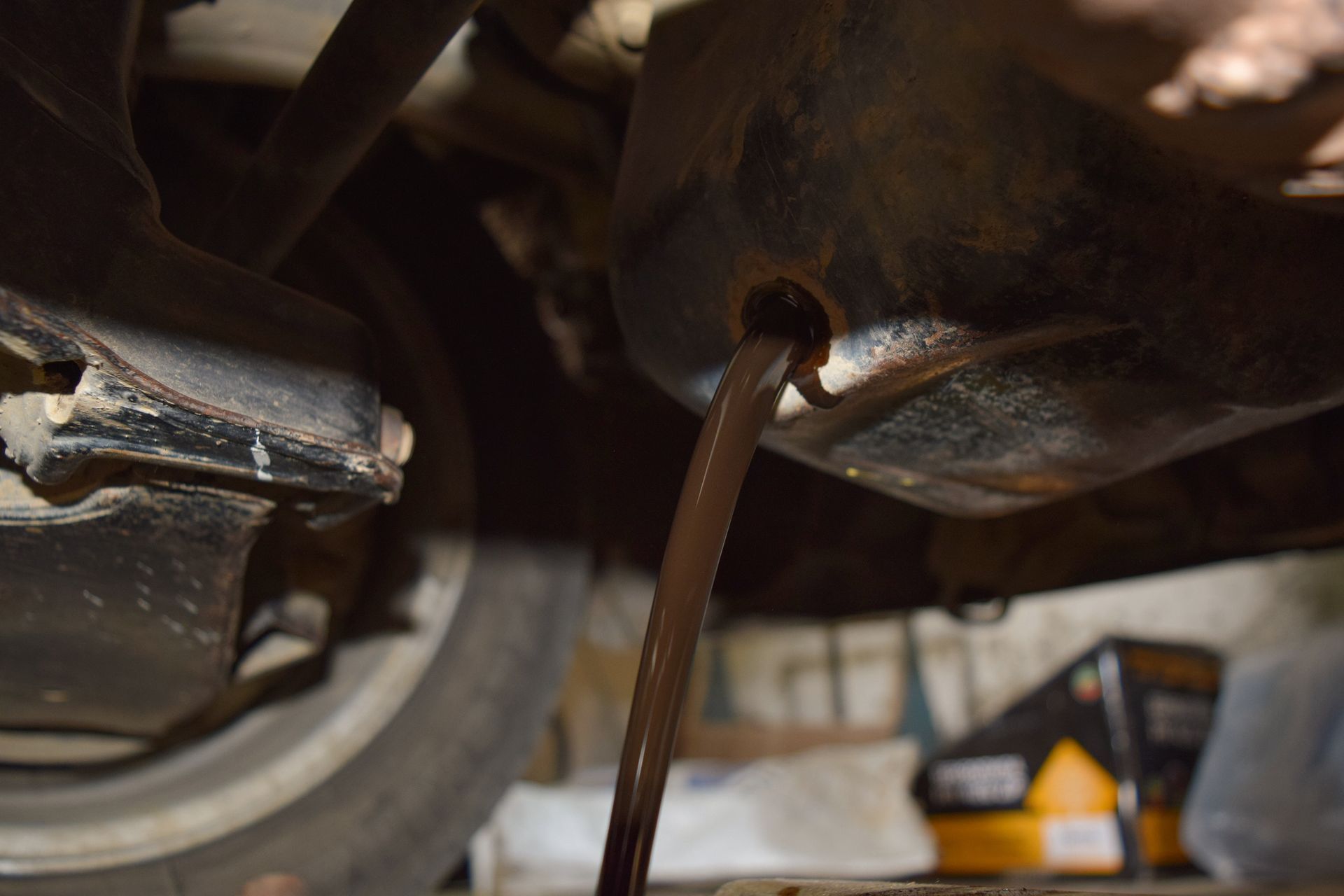
An oil change used to sound like a simple choice of grade and brand. Now the manual might call for a specific synthetic oil approval and a viscosity like 0W-20. That extra wording is there because the engine asks more of the oil than the number on the bottle explains.
Many modern engines require synthetic oil, while some allow a blend or another product meeting their specification. We start with the engine's actual instructions before choosing what goes in.
Modern Engines Put More Demands on Engine Oil
Smaller turbocharged engines often produce strong power while running under high loads. Oil must reach small passages, protect heavily loaded surfaces, and handle heat around parts such as turbocharger bearings. Some engines also use oil flow to control valve timing.
Why does that change the oil choice? The formulation has to keep doing those jobs throughout the service interval. Synthetic base oils and the complete additive package help meet demanding performance requirements, including cold flow and resistance to heat-related breakdown. The required approval tells us which performance tests the finished oil needs to meet.
Synthetic Oil Helps With Cold Starts and High Heat
At startup, oil needs to move through the engine while it's still cold. As the engine warms, the same lubricant works around surfaces exposed to much higher temperatures. Synthetic formulations are designed to perform across that range without losing their required behavior too quickly. The viscosity grade still has to match the engine. A thicker oil isn't automatically better protection, and a thinner one isn't automatically right for every newer car. We select the grade and specification together, using the service information for the exact engine and model year.
The Synthetic Label Doesn't Replace an Oil Approval
Can any full-synthetic oil go into an engine that calls for synthetic? Check the full specification first. Two bottles with the same viscosity sometimes meet different requirements for deposits, wear, or compatibility with emissions equipment. A broad premium claim on the label doesn't settle the fit.
If you're buying oil for a top-off, check the manual and the product's approval wording. Keep the bottle details if you're unsure what was added. At the shop, we record the oil used, so the next service and any later top-offs have a clear reference.
Synthetic Oil Still Collects Contamination
Combustion adds contamination, and the oil carries particles toward the filter while keeping other material suspended. Repeated short trips also leave more moisture and fuel contamination when the oil doesn't stay fully warm for long. Synthetic oil still has a working life under those conditions.
Follow the interval and operating guidance for your vehicle. A full-synthetic fill doesn't give permission to ignore the date or oil-life message. Topping off replaces the amount lost, but most of the used oil stays in the engine, and the service interval continues.
Check the Oil Level Between Changes
Park on level ground and follow the manual's instructions about engine temperature and waiting time. If there's a dipstick, remove it, wipe it, insert it fully, then pull it again to read the level. Electronic oil-level displays have their own measuring conditions, so follow the prompts for that model.
Keep track of:
- The oil-change date and mileage
- The grade and manufacturer approval
- Oil added between services
- New leaks, smells, or warning messages
Add the correct oil gradually and recheck the level. Overfilling isn't extra protection, and repeated top-offs give us a reason to check where the oil is going.
An Oil Change Is Also a Chance to Check New Symptoms
Does a startup rattle mean a different oil will fix it? We need to check the cause. Worn timing parts, low pressure, or another fault may require more than a drain and refill. Tell us how long the noise lasts and if it changes when the engine is warm.
We also check reported leaks and burning smells, including oil caught on a lower cover before it reaches the driveway. If an oil-pressure warning appears while driving, stop safely and shut off the engine. A routine service reminder and inadequate oil pressure call for different responses.
Synthetic Oil Change Service at Scranton Auto Service in Scranton, PA
Scranton Auto Service in Scranton, PA, can match oil service to your engine and review its replacement interval. Bring the previous service record if the oil specification is unclear.
Choose your next oil change based on your engine's requirements and how you drive.